 Aaron Beaudoin
Research · Team project
Host galaxy morphology catalog
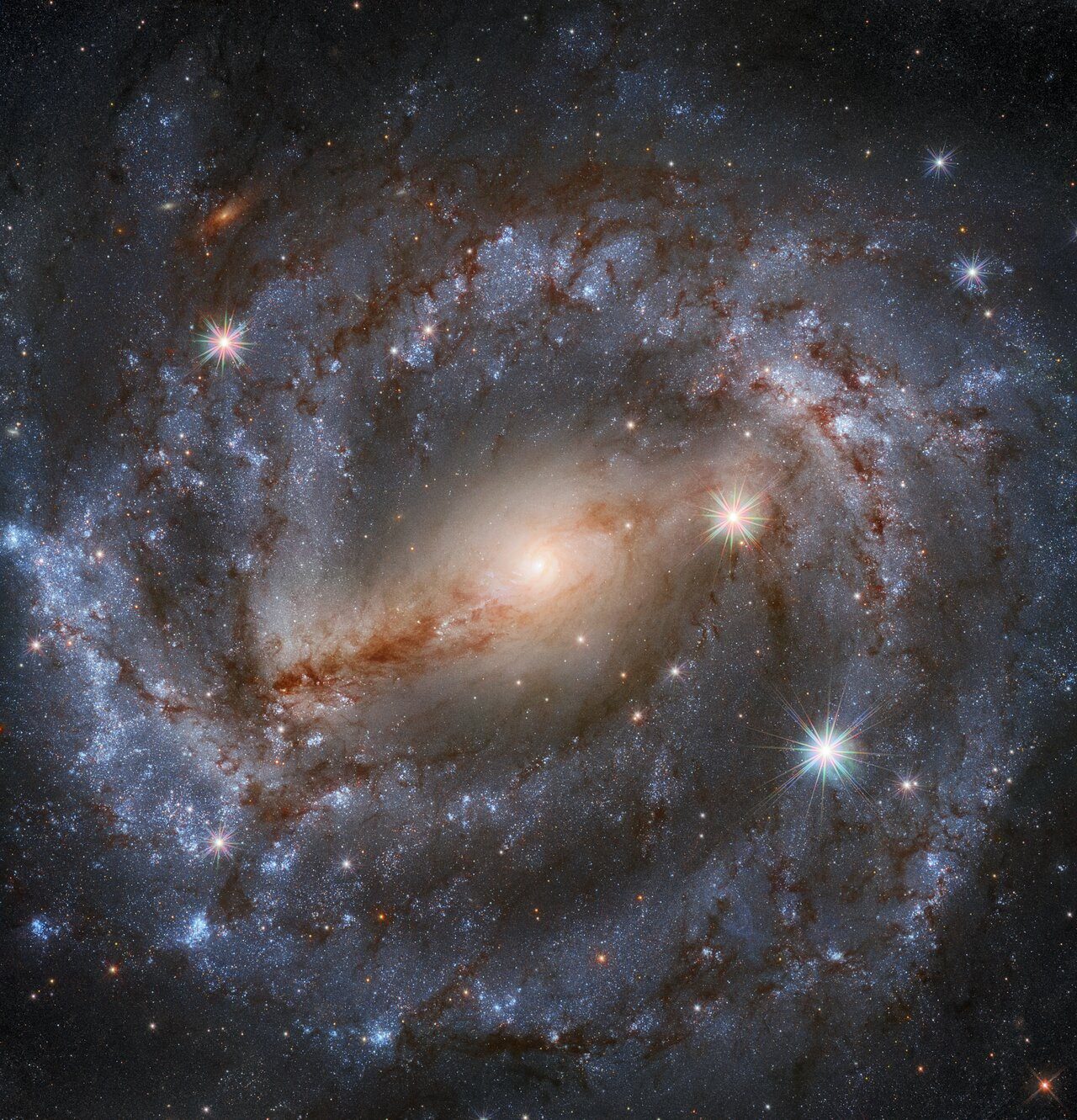
Does the kind of galaxy a supernova explodes in change how bright it gets? We sorted 514 host galaxies by shape and compared the supernovae inside them.
At a glance
- My role
- One of 10 undergraduate and graduate students on a team project at the University of Illinois. We all shared the work of writing the code and building the database.
- What we did
- Pulled a large sample of Type Ia supernovae from public databases, classified each host galaxy's shape, and looked for links between galaxy type and how the supernovae behaved.
- What we compared
- Intrinsic brightness, how fast each supernova faded, and metallicity (how rich in heavy elements it was).
- 10 students on the team
- 514 host galaxies cataloged
- 3 properties compared: brightness, decline rate, metallicity
The question
Type Ia supernovae are used to measure distances across the universe, because they all reach about the same peak brightness. But "about the same" isn't exactly the same. We wanted to know whether the galaxy a supernova lives in helps explain the differences.
What we did
I looked at a large sample of Type Ia supernovae taken from the supernova database at the Harvard-Smithsonian Center for Astrophysics, the UC Berkeley Filippenko Group's Supernova Database, and other sources. We looked for correlations between host galaxy morphology and intrinsic brightness, decline rates, and metallicities.
The project involved cataloging 514 host galaxy morphologies, then using MySQL and Python to compare composite spectra, built by combining spectra from nearby supernovae measured at maximum brightness.